
Sexual Health
Private Questions Men Often Avoid Asking (And the Answers You Deserve)

In more than a decade of practicing as a TRT and HGH therapy specialist, I've learned something that surprises a lot of new patients: the question they've been too embarrassed to ask is almost always one I've already answered a hundred times that month. Erectile dysfunction, low libido, shrinking confidence in the bedroom — these are some of the most common concerns that walk through the (virtual) door at our men's health clinic, yet they're also the ones men sit on the longest before saying anything out loud.
If you've been quietly Googling symptoms at midnight instead of talking to a provider, this post is for you. Let's get the private questions out in the open.
Why Men Avoid Asking About ED in the First Place
Erectile dysfunction affects a lot more men than most people realize, and at a much younger age than the stereotype suggests. Research on the topic consistently finds that a meaningful share of men in their 20s and 30s experience symptoms, not just men over 60. Yet study after study shows the same pattern: most men with ED never bring it up with a healthcare provider at all. Embarrassment, stigma, and the assumption that "this just means I'm getting old" keep men quiet — often for years.
Here's the problem with staying quiet: ED is frequently an early warning sign of something else going on in the body — low testosterone, cardiovascular issues, diabetes, or chronic stress. Ignoring it doesn't just mean missing out on your sex life; it can mean missing an early signal about your overall health.
"Is This Normal, or Is Something Wrong With Me?"
This is the question I hear most, and the honest answer is: occasional difficulty is common and usually not a concern. But if it's happening regularly — not just once in a while after a stressful week — it's worth a real evaluation rather than assuming it will resolve on its own. According to the National Institute of Diabetes and Digestive and Kidney Diseases, ED becomes more common with age but is not simply a routine part of getting older — meaning there's almost always an identifiable, treatable factor behind it.
"Is It Because of Low Testosterone?"
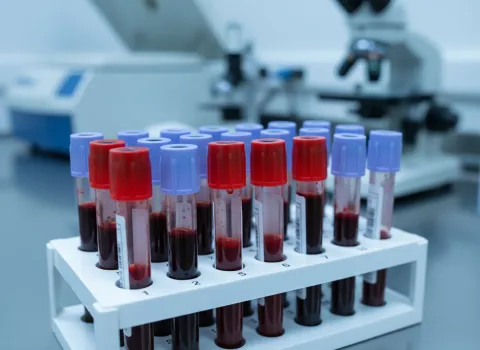
Sometimes — and this is exactly why an ED clinic that also specializes in hormone therapy matters. Testosterone plays a direct role in libido, arousal, and erectile function. When men come to us with ED symptoms, we don't just treat the symptom in isolation; we run bloodwork to check testosterone and other relevant markers, because treating low T (when it's present) can meaningfully improve both symptoms and long-term health.
If your labs come back normal, that's useful information too — it tells us to look at other common causes: circulation, blood pressure, blood sugar, stress, sleep, or certain medications.
"Can I Actually Get ED Treatment Without Going to a Doctor's Office in Person?"
Yes. This is one of the most common — and most relieving — questions we get. As an online men's health clinic, we built our entire model around the fact that men often avoid ED treatment specifically because of the in-person awkwardness: waiting rooms, receptionists, running into someone you know. Telehealth removes that barrier. Your evaluation, consultation, and follow-ups all happen privately from your phone or computer, with lab work completed at a facility near you rather than in our office. For men across Washington, DC, that means judgment-free ED clinical treatment without ever stepping into a waiting room.

"What Actually Happens During an ED Evaluation?"
It's more straightforward than most men expect:
- A private telehealth consultation where we discuss your symptoms, health history, and any medications you're taking
- Bloodwork to check testosterone and rule out underlying causes like diabetes or cardiovascular risk factors
- A personalized treatment plan, which may include hormone therapy, prescription ED treatment, or a combination, depending on what's actually driving your symptoms
- Follow-up care to adjust your plan as needed
There's no physical exam requirement to start the conversation, and nothing about the process is designed to make you feel awkward. That's the point.
"Will Treating This Actually Work, or Am I Stuck With It?"
For the vast majority of men, ED is highly treatable once the underlying cause is identified. Whether that's hormone optimization, a prescription option, or lifestyle changes that support better blood flow, most patients see real improvement. The full range of men's health services we offer is built around treating the cause, not just managing the symptom.
"What If I'm Too Embarrassed to Even Start the Conversation?"
I get it — and you're far from alone. Most of the men I treat tell me, after their first visit, that they wish they'd reached out sooner. The conversation is more clinical and less awkward than you're picturing, and it happens privately, on your schedule, with someone whose entire job is treating exactly this.
Frequently Asked Questions
Is erectile dysfunction only a problem for older men?
No. While ED becomes more common with age, it affects men in their 20s, 30s, and 40s as well. Stress, low testosterone, cardiovascular health, and lifestyle factors can all contribute at any age.
Do I need blood tests before starting ED treatment?
In most cases, yes. Bloodwork helps identify whether low testosterone or another underlying condition is contributing to your symptoms, which allows your provider to recommend a treatment that addresses the actual cause rather than just the symptom.
Is ED treatment through telehealth as effective as an in-person visit?
Yes, for the vast majority of patients. Your consultation, evaluation, and prescription management can be handled through telehealth, with labs completed locally. In-person specialist referrals are made when a specific physical exam or procedure is medically necessary.
How private is the process, really?
Very. Your consultation happens over a secure telehealth platform, and there's no waiting room, no front-desk conversation, and no one to run into. Your records are handled with the same confidentiality as any medical practice.
Can low testosterone cause ED even if my libido feels normal?
Yes, it's possible to have reduced erectile function without a noticeable drop in libido, which is exactly why bloodwork, not just a symptom checklist, is part of a proper evaluation.
What if lifestyle changes alone don't fix it?
Lifestyle changes, including better sleep, exercise, reduced alcohol use, and managing stress, can help, but they may not be enough on their own if there's an underlying hormonal or vascular cause. That's when a personalized treatment plan can help address contributing factors.
How quickly can I be seen?
Telehealth scheduling is typically much faster than waiting for an in-person urology appointment. Most patients can complete their initial consultation within days of reaching out.
This article is for general education and is not a substitute for medical advice. Treatment decisions are made with a licensed provider after an evaluation and lab work.