
Weight Loss
What Does Non-Surgical Weight Loss Mean? A Washington, DC TRT & HGH Specialist Explains

If you've been Googling ways to lose stubborn weight without going under the knife, you've probably run into the term "non-surgical weight loss" more than once. As a TRT and HGH therapy specialist who works with men across Washington, DC every week, I can tell you this is one of the most misunderstood phrases in men's health. Patients walk into their first telemedicine consultation assuming it means a diet plan or a pill. In reality, it's a much broader — and far more effective — approach when it's built around your actual hormone levels.
Let's break down exactly what non-surgical weight loss means, why it matters more for men over 30 than most people realize, and how we approach it here at Performance Rejuvenation Center.
Non-Surgical Weight Loss, Defined
Non-surgical weight loss refers to any medically supervised method of reducing body fat that doesn't involve an operation — no gastric sleeve, no bypass, no liposuction. Instead, it relies on a combination of:
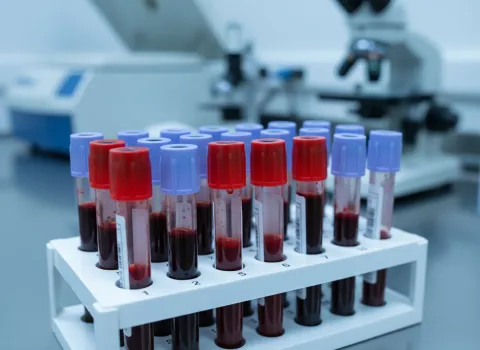
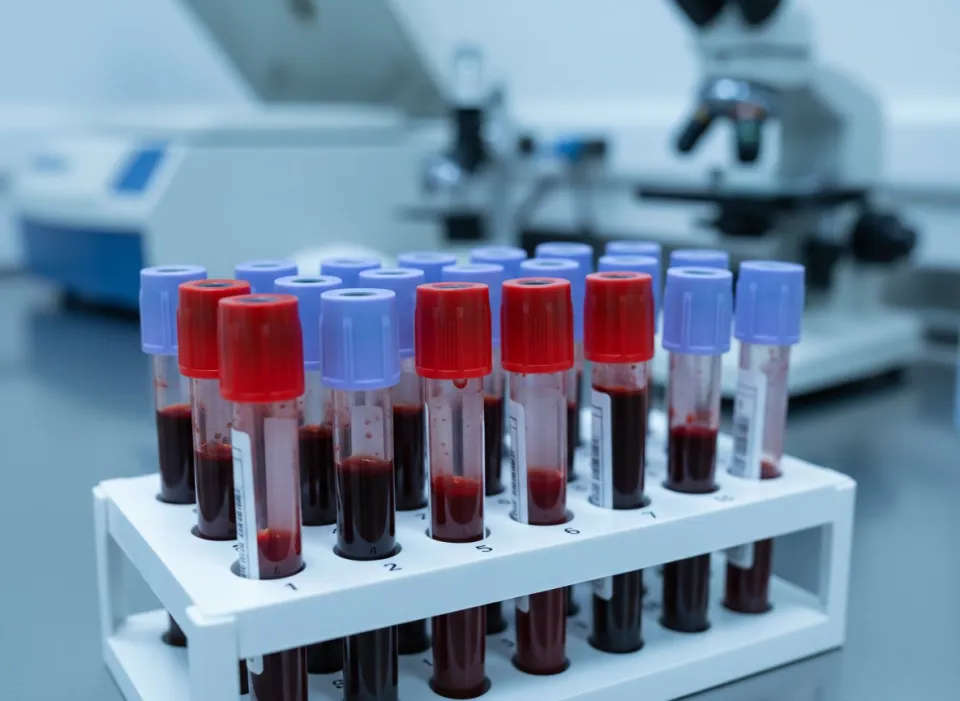
- Clinical evaluation and lab work (bloodwork, hormone panels, metabolic markers)
- Physician-guided treatment plans, which may include hormone optimization, peptide therapy, or medical weight-loss medication
- Nutrition and lifestyle coaching tailored to your metabolism
- Ongoing monitoring to adjust the plan as your body responds
The key word is medically supervised. This isn't the same as a fad diet or an over-the-counter supplement. It's a structured program built on your labs, your symptoms, and your goals.
Why Weight Gain Isn't Always About Willpower
I see this every week in my practice: a man who is training hard, eating reasonably well, and still can't shake the weight around his midsection. Nine times out of ten, there's a hormonal piece of the puzzle he's never had tested.
According to the CDC's most recent national health data, roughly 4 in 10 U.S. adults live with obesity, and that number climbs even higher when you include those who are simply overweight. But raw willpower isn't the missing ingredient for most of my patients — testosterone is. Low testosterone slows metabolism, encourages fat storage (especially visceral fat), and makes it harder to build the lean muscle that keeps your metabolism running efficiently. Declining growth hormone levels compound the problem, reducing your body's ability to burn fat for fuel and repair muscle after exercise.
This is exactly why non-surgical weight loss, in our clinic, almost always starts with a hormone panel rather than a calorie chart.
The Hormonal Connection: TRT, HGH, and Fat Loss
As specialists in testosterone replacement therapy (TRT) and human growth hormone (HGH) therapy, we look at weight loss through a different lens than a typical weight-management program.
Testosterone Replacement Therapy (TRT): When testosterone is restored to a healthy physiological range, many men notice improved energy, better muscle preservation during fat loss, and a body composition shift — less fat, more lean mass — even before major diet changes take hold.
HGH Therapy: Growth hormone plays a direct role in how your body mobilizes and burns fat, particularly stubborn visceral fat. For men with confirmed deficiencies, restoring healthy HGH levels can support fat metabolism alongside recovery and muscle tone.
Peptide Therapy: Certain peptides are used to support metabolic function, appetite regulation, and lean muscle development as part of a broader, physician-supervised plan.
None of these are magic bullets on their own — they work best as part of a full program that includes nutrition guidance and regular lab monitoring. But for men whose weight struggles are hormone-driven, addressing the root cause changes everything about how sustainable the results are.
Who Is a Candidate for Non-Surgical Weight Loss?
You may be a good candidate if you:
- Have struggled to lose weight despite consistent diet and exercise
- Are experiencing symptoms like fatigue, low libido, brain fog, or muscle loss alongside weight gain
- Want to avoid the risks and recovery time of bariatric surgery
- Haven't had your hormone levels formally evaluated
The only way to know for sure is bloodwork. That's why every plan at Performance Rejuvenation Center starts with a full men's health evaluation before we recommend anything.
What to Expect at Performance Rejuvenation Center
Because we operate as a telehealth clinic, your entire evaluation can happen from home — no waiting room required. Here's the general process:
- Initial telehealth consultation – We review your symptoms, health history, and goals.
- Lab work – We order bloodwork to check testosterone, growth hormone markers, and relevant metabolic panels, drawn at a lab near you.
- Personalized plan – Based on your results, we build a non-surgical weight loss plan that may include TRT, HGH therapy, peptide support, or a combination, alongside nutrition guidance.
- Ongoing monitoring – We recheck labs periodically and adjust your plan so your results are both effective and sustainable.
We've been doing this for men in Washington, DC, and across the country since 2011, and the pattern is consistent: sustainable, non-surgical weight loss happens when hormones are addressed alongside — not instead of — lifestyle changes.
Frequently Asked Questions
Is non-surgical weight loss actually effective, or is surgery the only thing that really works?
Non-surgical weight loss can be effective, especially when it addresses contributing factors such as nutrition, lifestyle, metabolic health, or an underlying hormone deficiency. Surgery is one treatment option for certain patients with obesity, but it is not required for every person seeking meaningful weight loss.
How do I know if my weight gain is hormone-related?
The most reliable way to determine whether hormone levels may be contributing to weight gain is through appropriate bloodwork combined with a medical evaluation. Symptoms such as persistent fatigue, low libido, reduced muscle mass, and increased abdominal fat can have multiple causes, so laboratory testing is important for identifying hormone-related issues.
Will TRT alone make me lose weight?
TRT is not a weight-loss medication on its own. For men with clinically confirmed testosterone deficiency, appropriate testosterone replacement may support healthy testosterone levels, energy, and lean muscle mass. Weight management generally requires a broader approach that may include nutrition, exercise, and other medically appropriate treatments.
Is HGH therapy safe for weight loss?
HGH therapy should only be prescribed when medically appropriate and based on a physician's evaluation and relevant testing. It is not a general-purpose weight-loss treatment and should not be self-prescribed or used without appropriate medical supervision.
How long does a non-surgical weight loss program take to show results?
The timeline varies by patient, treatment plan, and individual response. Some men may notice changes in energy, weight, or body composition within several weeks, while meaningful progress may continue over several months. Your provider can discuss realistic expectations based on your health profile and treatment plan.
Do I need to visit the office in person?
No. Performance Rejuvenation Center is an online men's health clinic serving patients in Washington, DC and all 50 states. Consultations can be conducted online, while required laboratory testing can be completed at a facility near you.
Does insurance cover this type of treatment?
Coverage varies depending on your insurance plan, provider, diagnosis, and the specific treatment. Performance Rejuvenation Center can discuss available pricing and payment options during your consultation.
This article is for general education and is not a substitute for medical advice. Treatment decisions are made with a licensed provider after an evaluation and lab work.